The Appalachian Trail Hygiene Kit: 2,190 Miles, Zero Plastic

Walking from Georgia to Maine is a feat of endurance, but for many thru-hikers, the real struggle isn't the elevation gain: it’s the grime. When you are living out of a pack for five to seven months, staying clean becomes a matter of health, not just vanity. However, most conventional hiking hygiene products are packed in single-use plastics or contain synthetic chemicals that linger in the soil long after you’ve summited Katahdin.
I’m Yo Yo, the resident expert on "Wild at Heart" living here at Nature Buff. I’ve spent more time in the backcountry than in a house, and I can tell you that the "Leave No Trace" philosophy shouldn't stop at your campfire. It should extend to your skin. If you are preparing for the 2,190-mile journey of the Appalachian Trail (AT), your hygiene kit needs to be ultralight, effective, and entirely sustainable. We believe that you shouldn't have to choose between a clean body and a clean planet.
Building a zero-plastic hygiene kit for the AT is about finding multi-use, biodegradable solutions that simplify your pack and protect the pristine environments you’re walking through. Here is the ultimate breakdown of how to master hiking hygiene without the waste.
1. The Full-Body Refresh Without the Plastic Waste
On the Appalachian Trail, a real shower is a luxury found only in trail towns. Between those stops, hikers often rely on "wet wipes" to remove the salt, sweat, and trail dust that can lead to painful chafing or skin infections. The problem? Most standard baby wipes are actually made of plastic fibers like polyester or polypropylene. They don't break down, and even if they are "flushable," they have no place in a backcountry compost pile or a cathole.
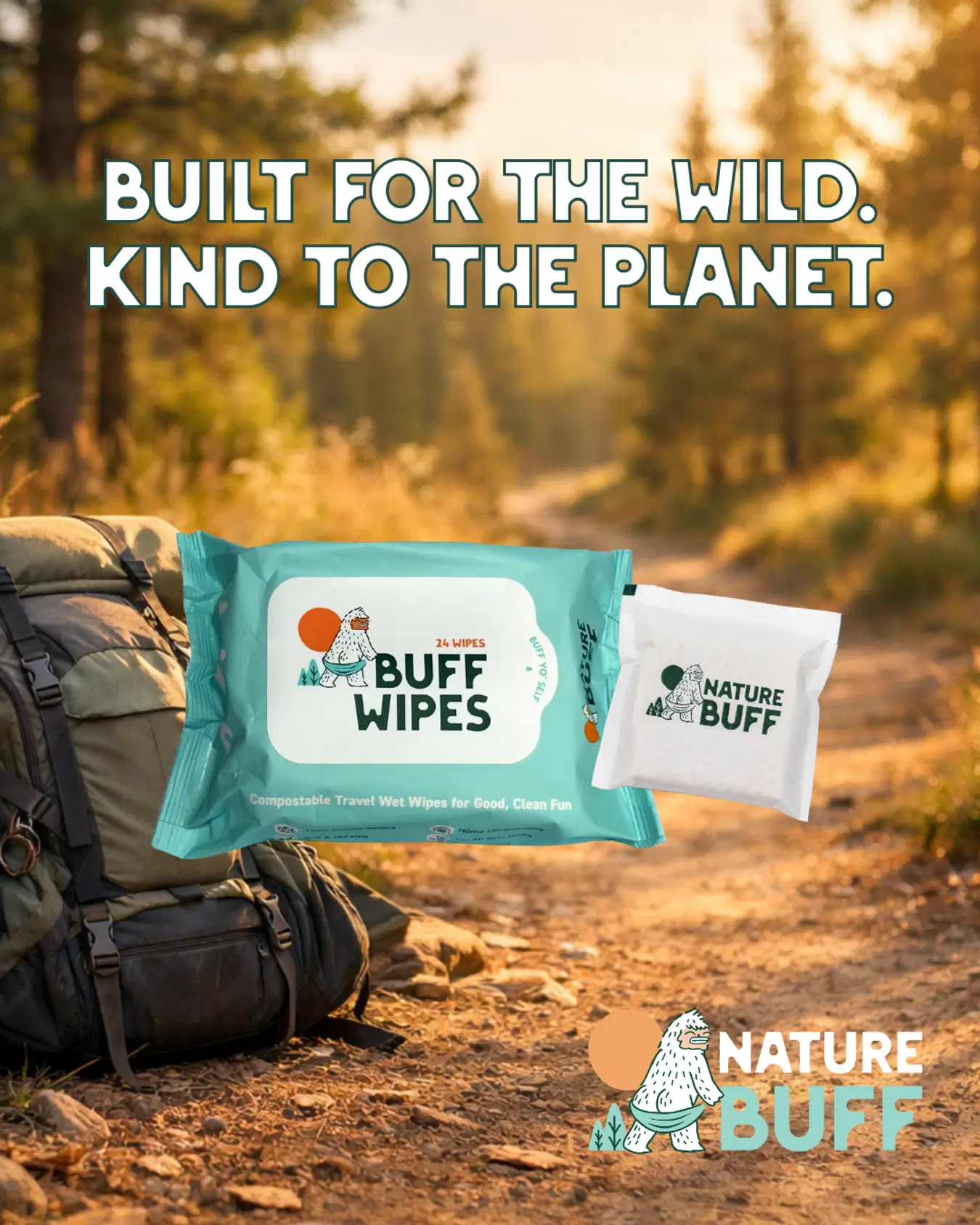
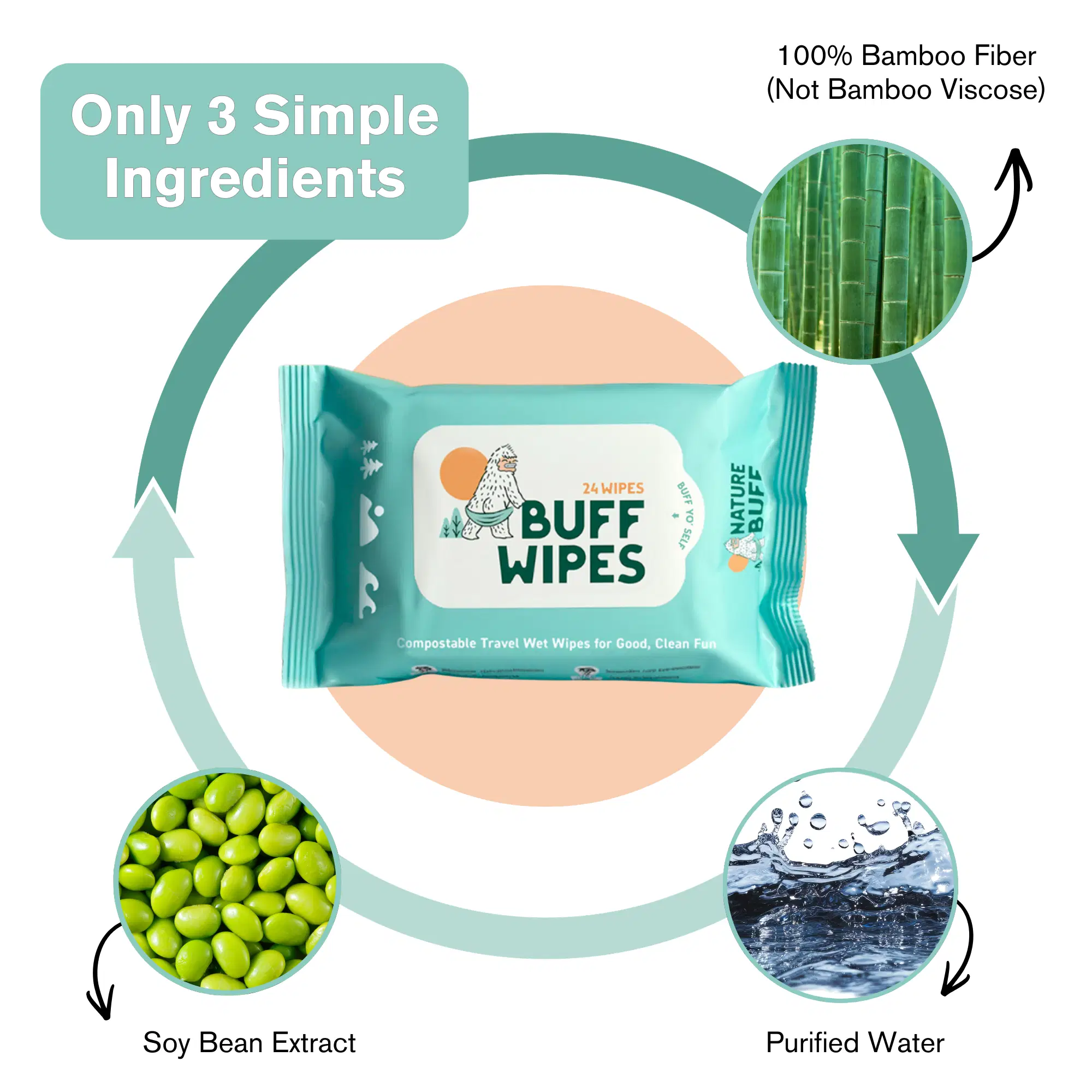
We recommend switching to Buff Wipes. These are specifically designed as body wipes for hiking. Unlike synthetic alternatives, they are made from 100% bamboo-derived fiber. This means they are completely plastic-free and compostable. When you’re miles away from the nearest trash can, having a wipe that is as kind to the earth as it is to your skin is a game-changer.
Trail Tip from Yo Yo: I always use a "top-down" approach. Start with your face, then neck, then move to the high-friction areas. One Buff Wipe is durable enough to handle a full-body cleanup if you’re efficient with it.
2. Multi-Purpose Natural Soap Bars for Trail and Town
Conventional liquid soaps are a nightmare for thru-hikers. They leak in your pack, they come in plastic bottles that eventually crack, and many contain synthetic fragrances that attract bears or irritate your skin after days of sun exposure. When searching for the best backpacking soap, a solid bar is the superior choice.
Our Natural Soap Bars are the "Swiss Army knife" of your hygiene kit. They are concentrated, waterless (until you’re ready to use them), and come in zero-plastic packaging. For the AT, we always advocate for the unscented version. Artificial scents are "unnatural" signals to the wildlife around you, and as a hygiene-conscious sasquatch, I prefer to keep the woods smelling like the woods.
You can use these bars for your body, your hair, and even for spot-cleaning your socks in a sink during a town stop. Because they are made with simple, plant-based ingredients, they won't leave behind a film of synthetic chemicals in the watershed.
Trail Tip from Yo Yo: Never lather up directly in a stream or lake. Even biodegradable soap needs soil to break down properly. Always carry your water at least 200 feet away from the source before using your soap.

3. Minimalist Dental Care: Tablets Over Tubes
Traditional toothpaste tubes are a mix of plastic and aluminum that are impossible to recycle. On a 2,190-mile trek, you might go through four or five of these tubes. A sustainable AT hygiene kit replaces the tube with toothpaste tablets. These are lightweight, dry, and can be stored in a small, reusable tin or a compostable pouch.
When paired with a bamboo toothbrush, you eliminate two major sources of plastic waste from your kit. This setup is the epitome of sustainable toiletries. It’s lighter than a full tube of paste and ensures that no microplastics end up in the trail soil when you brush.
Trail Tip from Yo Yo: Practice the "spritz" method when brushing. Use a tiny amount of water and disperse the foam widely away from water sources to minimize the impact on local flora.

4. Zero-Plastic Protection: Sun and Bug Defense
The Appalachian Trail is often called the "Green Tunnel," but there are plenty of exposed ridgelines where the sun can be brutal. Most sunscreen and bug repellents come in thick plastic bottles or aerosol cans. To stay zero-plastic, look for mineral-based sunscreens and natural bug balms that come in compostable cardboard tubes or reusable tin containers.
These solid sticks are much more "adventure-ready" than liquids. They won’t explode under the pressure of your gear or leak all over your sleeping bag. Look for ingredients like non-nano zinc oxide for sun protection and lemon eucalyptus oil for bugs. These are safer for your skin and won't harm the delicate aquatic life in the mountain streams you’ll cross daily.
Trail Tip from Yo Yo: Apply your sun and bug protection early. Once you start sweating, it’s harder for the product to bond to your skin. And remember, the best bug defense is often a physical barrier: like a lightweight hood or leggings!

5. Efficient Organization with the Mighty Mini Pouch
The final piece of the 2,190-mile hygiene puzzle is how you carry it all. If you’re using plastic zip-top bags to organize your toiletries, you’ll find they tear and wear out long before you reach the halfway point in Harpers Ferry. A rugged, long-term solution is essential for outdoor hygiene.
We designed The Mighty Mini Pouch to be the ultimate organizer for the ultralight hiker. It’s durable, reusable, and perfectly sized to hold your Buff Wipes, a soap bar, and your dental kit. By using a dedicated pouch, you reduce the need for disposable plastic bags and keep your hygiene essentials gathered in one easy-to-grab spot. This is especially helpful during those late-night arrivals at a shelter when you just want to clean up and get into your quilt.
Trail Tip from Yo Yo: I keep my "daily" hygiene items in my Mighty Mini Pouch in an outside pocket of my pack. If I’m feeling the trail grime at a mid-day lunch break, it’s right there for a quick "Buff Yoself" moment.
Why Thru-Hikers Choose Nature Buff
Staying clean on the AT isn't just about comfort; it's about maintaining the integrity of your skin: your body’s first line of defense against the elements. Conventional products often use harsh surfactants that strip your skin of natural oils, leaving you prone to cracking and irritation. Nature Buff products are formulated to nourish while they clean.
By choosing sustainable hygiene products, you are making a commitment to the "Leave No Trace" principles that keep the Appalachian Trail beautiful for the next generation of hikers. Whether you are a section hiker or a thru-hiker, the choices you make in your pack have a holistic impact on the environment.
FAQ for AT Hygiene
How do I manage my period on the AT without plastic?
Consider a menstrual cup or period underwear to eliminate disposable waste. If you use wipes for cleanup, ensure they are 100% compostable like our Buff Wipes, and always pack them out in a dedicated waste bag.
Is biodegradable soap safe for rivers?
No soap: not even ours: is safe to put directly into a river or lake. "Biodegradable" means the soap needs soil bacteria to break it down. Always wash at least 200 feet away from any water source.
What is the best way to carry a wet soap bar?
Use a small mesh bag or a breathable pouch. This allows the bar to dry out between uses, which makes it last much longer. You can find our soap-ready mesh bags at naturebuff.com/products/buff-bar-starter-pack.
Can I compost Buff Wipes on the trail?
While Buff Wipes are 100% bamboo and fully compostable, trail etiquette and LNT principles suggest you should pack them out. Use a small, sealable bag for your used wipes and dispose of them in a proper compost or trash bin at the next trail town.
Choosing natural for a cleaner, greener future doesn't mean sacrificing performance. In fact, on a long-haul trek like the Appalachian Trail, the most "rugged" solutions are often the simplest ones. By stripping away the plastic and the synthetic chemicals, you’re left with exactly what you need to stay fresh, healthy, and ready for the next white blaze.
Happy travels, and remember to keep it wild and clean out there.
Related from Nature Buff: camp soap: bar vs liquid vs powder
No water? Different tool. Soap needs a rinse — when there isn't one, biodegradable wipes for backpacking do the job without leaving a trace. Compare them in the full camping wipes guide, or shop Buff Wipes.