Do You Really Need Biodegradable Soap for Camping? Here’s the Truth About Washing in the Wild

Quick Answer (Yo Yo’s take)
You don’t need biodegradable soap to camp—but if you’re going to use soap outdoors, it should be biodegradable and used the right way. Never wash directly in lakes or rivers. Carry water at least 200 feet from any water source, use a tiny amount, and scatter strained gray water over soil so microbes can break it down.
We’ve all been there. You’re three days into a thru-hike, your socks could probably stand up on their own, and you finally crest a ridge to find a pristine, crystal-clear alpine lake. The temptation is real. You want to dive in, lather up with that bottle of "eco-friendly" suds you bought at the gear shop, and wash away the trail-funk. It feels like the right thing to do: after all, the label says "biodegradable," right?
Unfortunately, this is where one of the biggest myths in outdoor ethics begins. Many of us "Wild at Heart" adventurers grew up believing that as long as the soap was natural, the river was fair game. But the truth is a bit more complicated, and honestly, a lot more interesting. To keep our wild spaces actually wild, we need to understand that biodegradable soap for camping isn't a magic wand that makes chemicals disappear instantly. It’s a tool that requires a bit of trail-smarts to use correctly.
At Nature Buff, we believe that staying clean shouldn't come at the cost of the places we love to explore. Whether you’re prepping for a weekend in the Cascades or gearing up for a dusty five-day festival, mastering the art of sustainable hygiene is essential. Let’s dive into the dirt on "river safe soap" and how we can all do better for the planet.
1. The "Biodegradable" Label Is Not a License to Lather in the Lake
We often see the word "biodegradable" and think "safe for the water." In reality, biodegradability simply means that a product will eventually break down into organic components through the action of living organisms: usually bacteria and fungi found in soil. The catch? Those helpful little microbes aren't exactly throwing a party in the middle of a cold mountain stream.
When you use soap directly in a river or lake, you’re introducing foreign surfactants and oils into a delicate ecosystem. Even the most natural, plant-based soaps can lower the surface tension of the water, which is a death sentence for the water striders and insects that live on the surface. Furthermore, soap adds nitrogen and phosphorus to the water, which can trigger algae blooms that choke out fish and other aquatic life. Conventional soaps are often packed with synthetic fragrances and SLS that linger for years, but even the "good stuff" needs a specific environment to disappear.
| Feature | Biodegradable Soap (used correctly) | Traditional Soap |
|---|---|---|
| Breaks down? | Yes—primarily in soil with active microbes | Often slower; may include ingredients that persist longer |
| Best place to use | 200+ feet from water, with gray water scattered over soil | Not recommended for backcountry wash routines |
| Typical ingredients | Simpler, plant-based formulas | More likely to include synthetic fragrances/detergents |
| Impact risk in waterways | Still harmful if used in rivers/lakes | Higher risk; can be more toxic to aquatic life |
| Packability | Bars are compact, lightweight, no leak risk | Liquids can leak; often heavier (mostly water) |
The goal isn't just to use better products; it’s to ensure those products never reach the water table in their concentrated form. We have to move past the "green-washed" idea that "natural" equals "harmless" regardless of application.
2. Soil Is the Ultimate Natural Filter for Your Trail Suds
If the water can’t handle your soap, what can? The answer is right under your boots. The earth itself is a sophisticated filtration system. When we dispose of soapy "gray water" in the soil, we allow the complex community of bacteria, fungi, and microbes living in the dirt to get to work. These organisms specialize in breaking down organic matter, effectively "eating" the soap before it can migrate into the groundwater.
This is why the biodegradable soap for camping you choose matters so much. Conventional soaps contain synthetic polymers and "forever chemicals" that even the hardiest soil microbes struggle to process. By choosing a soap with minimal, plant-based ingredients, you’re giving the earth a fighting chance to stay healthy.
We recommend a "low-moisture" approach. Instead of a full-blown bath, focus on the "hot spots" (you know the ones). Use a small amount of water and a highly concentrated natural soap to get the job done. The soil will act as your protector, neutralizing the soap long before it ever reaches the roots of the nearby pines or the edges of the stream.
3. Mastering the 200-Foot Rule for Pristine Waterways
To truly respect the Leave No Trace (LNT) philosophy, we have to talk about distance. The gold standard for backcountry hygiene is the 200-foot rule. That’s roughly 70 adult paces away from any water source: be it a creek, a lake, or a stagnant pond.
By taking your wash station 200 feet away, you’re ensuring that any runoff has a long, slow journey through the soil before it could ever reach the water. It gives the earth the time it needs to perform its filtration magic.
Here is the "Trail-Real" way to do it:
- Collect your water: Fill a collapsible bucket or a water bottle and head inland.
- Scrub up: Use a tiny amount of soap. If you’re using our Buff Bar, you’ll find that a little goes a long way.
- The "Spray" Method: When you’re finished, don’t just dump the soapy water in one puddle. Fling it over a wide area of dry ground (avoiding delicate plants) to help it evaporate and biodegrade faster.
This might seem like a lot of work when you're exhausted, but preserving that "post-hike glow-up" feeling for the next person who discovers that lake is worth every extra step. You can read more about why this matters in our guide to river safe soap.
4. The Buff Bar: A Versatile, All-in-One Trail Essential
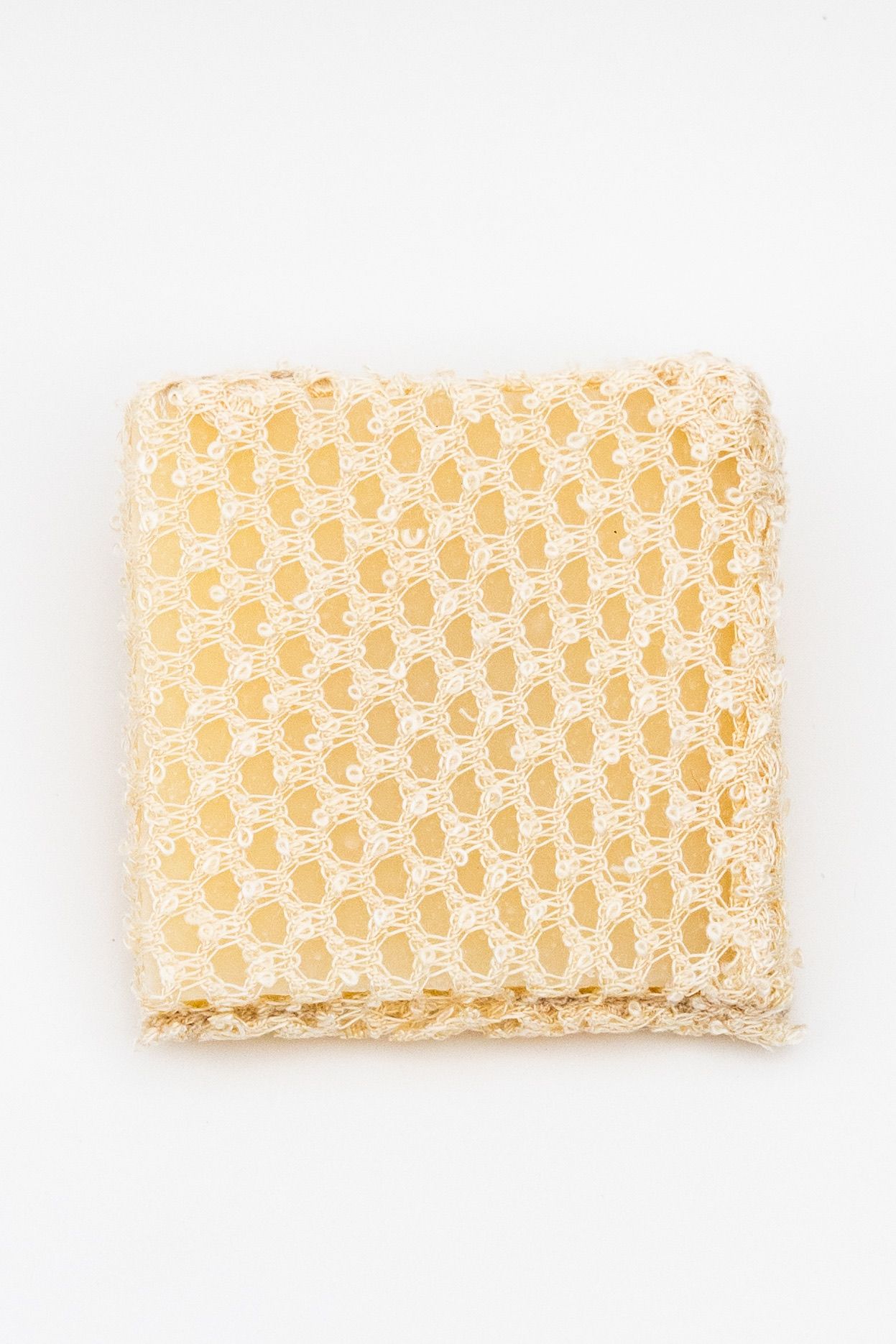
Let’s be honest: carrying a bottle of liquid soap in your pack is a recipe for a "soap-pocalypse" in your side pocket. Plus, most liquid soaps are mostly water, which is just extra weight you don't need. Enter the Nature Buff Soap Bar, or as we like to call it, the Buff Bar.
We designed this bar for the hiker who hates carrying extra gear. It’s an all-in-one solution that works for your body, hair, and even your trail clothes if things get really desperate. The magic is in the built-in mesh scrub. This isn't just packaging; it’s an exfoliating tool that allows you to get a deep, satisfying clean with a fraction of the water you’d usually use.
Because it’s a solid bar, there’s zero risk of leaks, and it’s significantly more concentrated than liquid alternatives. It’s built for the wild, meaning we left out the harsh synthetics and kept the ingredients simple and effective. It’s the ultimate "Swiss Army knife" of hygiene. When you're done, just pop it back in its water-resistant pouch, and you’re ready to hit the next five miles. For those on long-haul treks, we even offer refill packs to keep your kit lightweight and zero-waste.
5. Buff Wipes: The Ultimate Zero-Water Solution for Festivals and Ridelines
Sometimes, the 200-foot rule is impossible. Maybe you’re camping on a narrow ridge, or perhaps you’re at a music festival where the "water source" is a half-mile walk and the "soil" is mostly trampled mud and glitter. In these scenarios, the most sustainable choice is to skip the liquid soap entirely.
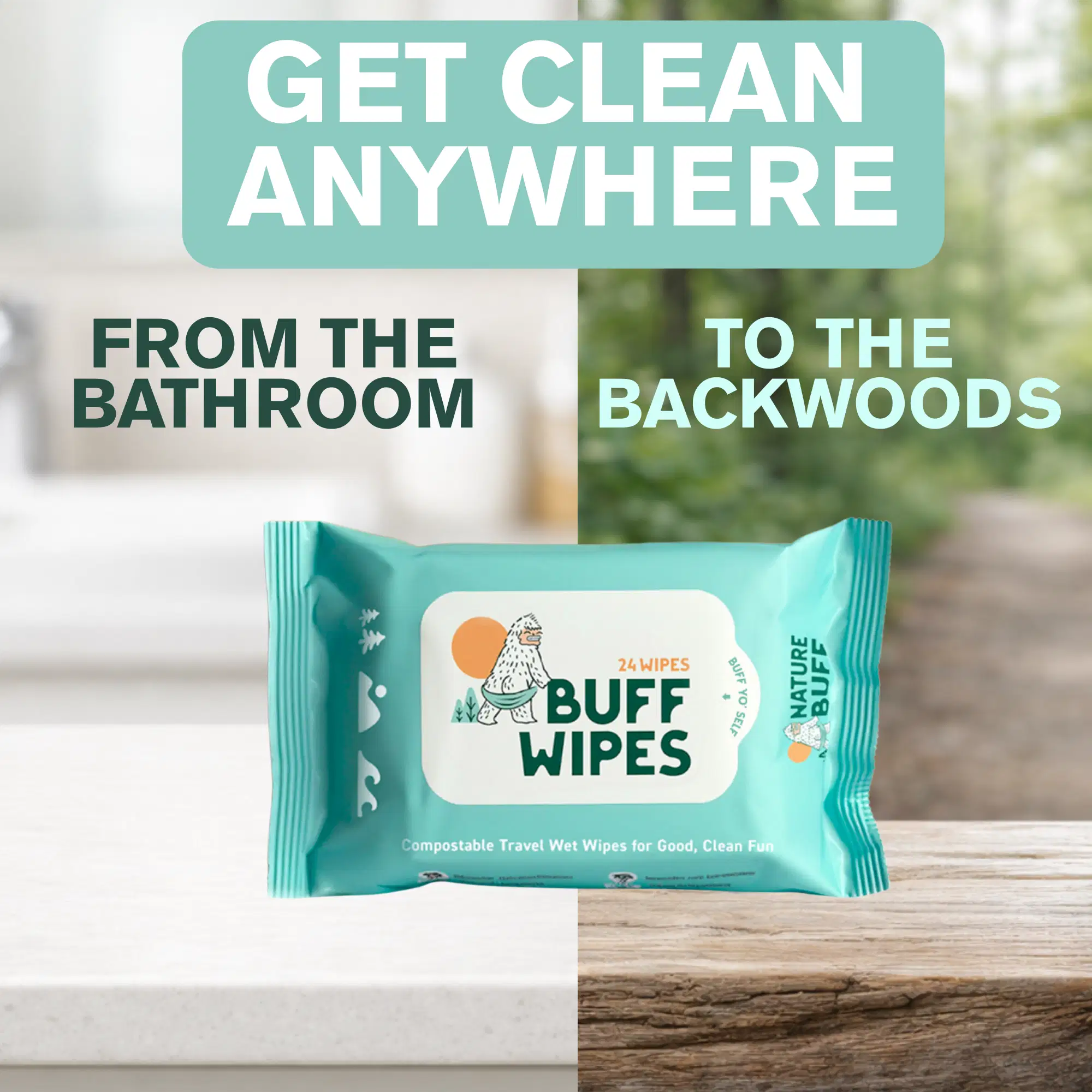
Our Buff Wipes are the answer for those "Wild at Heart" moments when water is a luxury. Unlike "flushable" wipes that are actually made of plastic and will haunt the landfill for centuries, Buff Wipes are made from 100% bamboo fiber. They are entirely compostable and plastic-free, containing only three simple ingredients.
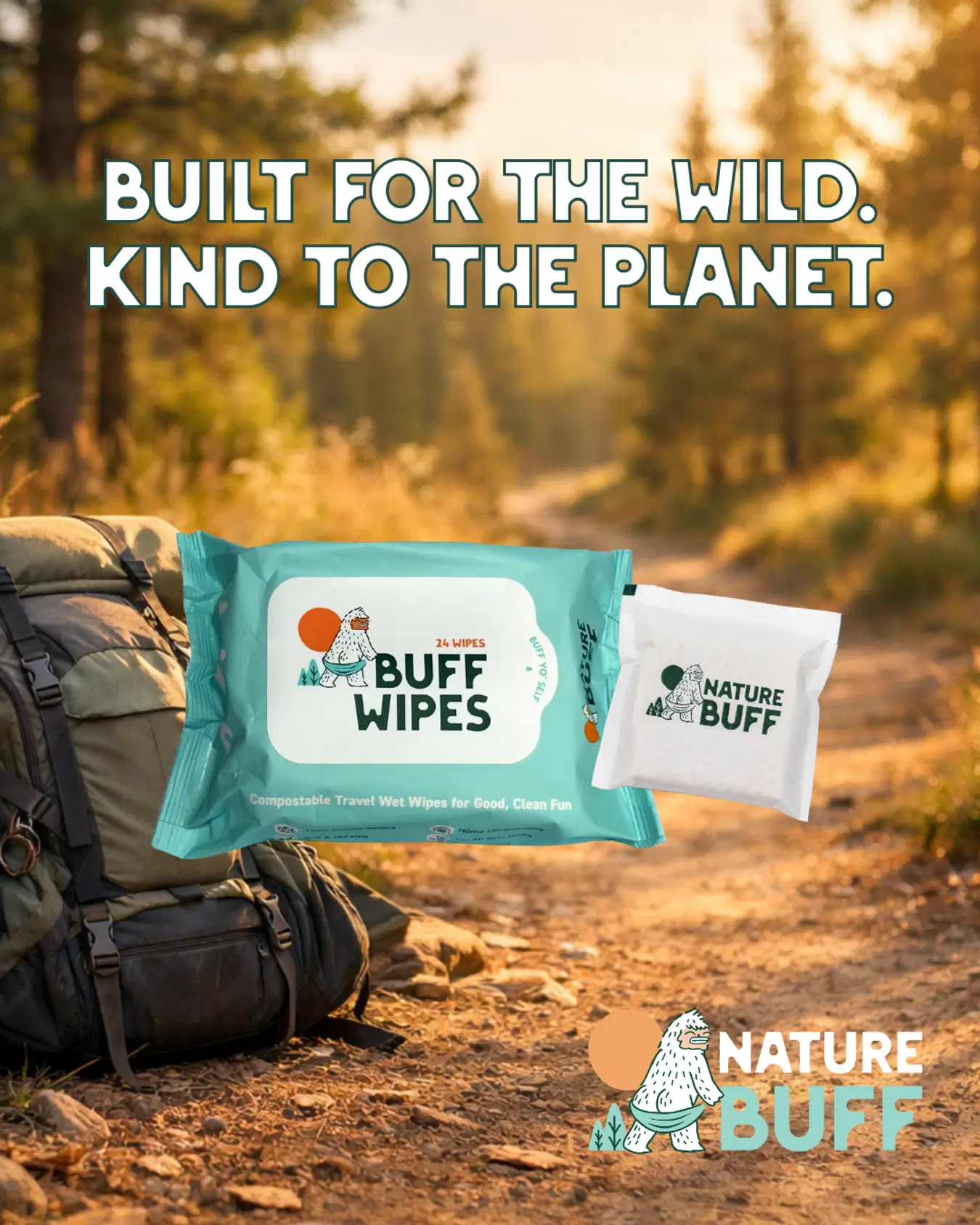
For a festival wipe-down, these are a literal lifesaver. You can get that fresh, clean feeling without needing a shower or risking runoff into the local environment. Because they are bamboo-derived, they are incredibly durable: one wipe can usually handle your whole body if you’re strategic about it (start with the face, end with the feet!).
They are the perfect companion to the Buff Bar. Use the bar when you have the space and water to do a proper LNT wash, and use the wipes for those quick, mid-day "refreshers" or when you’re too wiped out to do anything but crawl into your sleeping bag. Check out our comparison of popular travel wipes to see how we stack up against the synthetic competition.
Choose Natural for a Cleaner, Greener Future
At the end of the day, outdoor hygiene is about more than just not smelling like a wet goat. It’s about a holistic approach to our relationship with the land. When we choose biodegradable soap for camping and commit to the 200-foot rule, we’re making a statement that the health of the ecosystem is just as important as our own comfort.
Switching from synthetic, plastic-heavy toiletries to natural, compostable alternatives like Nature Buff’s Buff Bar and Buff Wipes is one of the easiest ways to reduce your environmental footprint. It’s a small change that yields a massive impact, ensuring that the wild places we love today remain pristine for the adventurers of tomorrow.
Yo Yo Approved Pack List (Nature Buff essentials for “no trace” camping)
Yo Yo the Yeti is our resident “Wild at Heart” hygiene guide—and they’re picky (in a good way). Here’s the tight, adventure-ready Nature Buff kit Yo Yo trusts when we’re aiming for no trace camping:
- Buff Bar — A concentrated, unscented-feeling clean in a solid format (no leaks, less waste). Perfect for the 200-foot wash: small amount, minimal water, and easier to control so it stays out of waterways.
- Buff Wipes — The minimal-water MVP for ridgelines, dry camps, and festivals. Bamboo-based and compostable so we can freshen up without turning “clean” into plastic trash.
- Soap Bar Refills — Re-up without overpacking. Great for thru-hikes, group trips, and long festival weekends when you want to stay clean and keep your kit low-waste.
Frequently Asked Questions
Can I use biodegradable soap in a river?
No. Even biodegradable soap can harm aquatic ecosystems if it goes straight into a river or lake. Biodegradable means it breaks down best in soil, where microbes can do the work. Collect water, walk 200 feet away, wash up there, and scatter the gray water over a wide area of soil.
How far from water should I wash?
Follow the 200-foot rule (about 70 adult paces) from any lake, river, creek, or spring. It gives the soil time and space to filter and break down soap so it doesn’t flow back into the water source.
What is the best soap for backpacking?
The best soap for backpacking is a lightweight, concentrated, biodegradable bar you can use in tiny amounts—paired with proper Leave No Trace technique. Nature Buff’s Buff Bar is built for this: compact, no-leak, and designed for minimal-water cleanups when you’re washing away from water.
Whether you're prepping for a grueling thru-hike or just looking to survive your next three-day festival with your dignity intact, Nature Buff has your back. Stay dirty on the trail, stay clean in the camp, and always stay Wild at Heart.
Happy travels and see you out there!