Biodegradable vs. Regular Soap: What’s the Real Difference for the Outdoors?

For those of us who live for the scent of pine and the crunch of a fresh trail, cleanliness is often a secondary thought, until the grime starts to itch. It’s Yo Yo here. I spend a lot of time in the high country, and while I’m known for my rugged exterior, I’m also the first to tell you that maintaining a hygiene routine is the only way to stay comfortable on a five-day trek. But there is a massive misconception lurking in the backcountry.
Many hikers and campers assume that as long as a bottle says "biodegradable," it’s a free pass to wash up directly in a mountain stream. I’ve seen it happen from the shadows more times than I’d like. The truth is, there is a world of difference between biodegradable soap and regular soap, but even the "eco-friendly" stuff requires a specific set of rules to truly protect the environment.
We need to talk about what actually happens when soap hits the soil versus when it hits the water. Whether you’re a van-lifer, a weekend warrior, or a festival-goer, understanding these differences is the key to practicing Leave No Trace principles.
1. The Chemical Composition: Synthetic Surfactants vs. Plant-Based Oils
The primary difference between standard household soap and biodegradable soap for camping is what they are made of. Regular soaps, the kind you find in a plastic pump at a gas station or in your guest bathroom, are often packed with synthetic surfactants like Sodium Lauryl Sulfate (SLS) and Sodium Laureth Sulfate (SLES).
These chemicals are great at creating a massive lather and stripping away grease, but they are incredibly "sticky" in an environmental sense. They don’t just disappear. They also frequently contain artificial fragrances, dyes, and preservatives like parabens that are designed to keep the product shelf-stable for years.
In contrast, true natural soap bars and biodegradable liquids are formulated with plant-derived oils, such as coconut, olive, or jojoba. These organic materials are much easier for nature to recognize and process.
Trail Tip from Yo Yo: "Artificial scents are like a flare gun for curious critters. Stick to unscented soap. You’ll smell like the woods, and the bears won't mistake your campsite for a fruit basket."
2. The Timeline of Decay: How Fast is "Fast Enough"?
When we talk about sustainable toiletries, we often focus on the word "biodegradable." However, for a product to be truly effective in the wild, it needs to be readily biodegradable.
- Regular Soap: Can take months, years, or even decades to fully break down. Because it contains synthetic chemicals, it often leaves behind "forever" residues that accumulate in the sediment of lakes and rivers.
- Biodegradable Soap: According to industry standards, a product is generally considered biodegradable if 90% of it breaks down into water, carbon dioxide, and biological material within six months.
- Readily Biodegradable: This is the gold standard for outdoor hygiene. These products are designed to break down by 60% to 70% within just 28 days.
When you use a high-quality natural soap bar, you are significantly reducing the window of time that your "trace" exists in the environment. We want to be ghosts on the trail, clean ghosts, but ghosts nonetheless.
3. The Soil Secret: Why Biodegradable Soap Isn't "River Safe"
This is the most critical point I can share with you. Biodegradable soap is not biodegradable when it is in the water.
It sounds like a riddle, but it’s a biological fact. For soap to break down, it requires the microscopic organisms, bacteria, and fungi found in soil. When you lather up directly in a lake or a stream, the soap molecules remain suspended in the water column. Without the soil microbes to eat the soap, it just stays there, drifting downstream and causing damage along the way.
To stay clean responsibly, you must follow the 200-foot rule. You should carry your water in a container at least 200 feet (about 70 adult steps) away from any water source, lakes, rivers, or even small springs.

How to wash properly in the backcountry:
- Collect your water and move 200 feet away from the source.
- Use a very small amount of concentrated biodegradable soap.
- When finished, dig a small "cat hole" (6 inches deep) and pour your greywater inside.
- The soil will act as a natural filter, allowing those microbes to get to work immediately.
4. Aquatic Impact: Protecting the Delicate Balance of Wild Waters
Why do I get so protective over the water? Because regular soap (and improperly used biodegradable soap) is a nightmare for aquatic life.
Standard soaps often contain phosphates. While phosphates are great for cleaning, they act as a potent fertilizer in the wild. When they enter a pond or stream, they trigger massive "algae blooms." These blooms look like a thick green carpet on the surface. As that algae dies and decomposes, it sucks all the dissolved oxygen out of the water, effectively suffocating the fish and plants that live there.
Furthermore, synthetic surfactants can damage the protective mucus layer on fish, making them more susceptible to parasites and disease. Even a small amount of "regular" soap can disrupt the surface tension of the water, which many beneficial insects, like water striders, depend on to stay afloat.
When we choose natural soap bars and use them away from the water, we are ensuring that the pristine alpine lakes stay clear for the next generation of explorers.
5. Versatility and Minimalist Hygiene: The "Swiss Army Knife" of Soap
When you’re packing for a 3-5 day music festival or a trek through the backcountry, space and weight are everything. This is where a solid natural soap bar beats a bottle of regular liquid soap every time.
Regular liquid soaps are mostly water. You’re essentially carrying extra weight that you could find at a trailhead pump anyway. A solid bar of biodegradable soap for camping is concentrated, leak-proof, and multi-functional.
A single high-quality bar can serve as:
- Body Wash: To get the grit off your skin.
- Shampoo: To keep your hair from becoming a bird’s nest.
- Dish Soap: To clean your titanium mug after a meal of dehydrated chili.
- Laundry Detergent: For a quick scrub of your wool socks in a dry bag.
By choosing a versatile, eco-friendly option, you reduce the number of plastic bottles in your pack and ensure that every item you carry has a high impact on your cleanliness but a low impact on the planet.
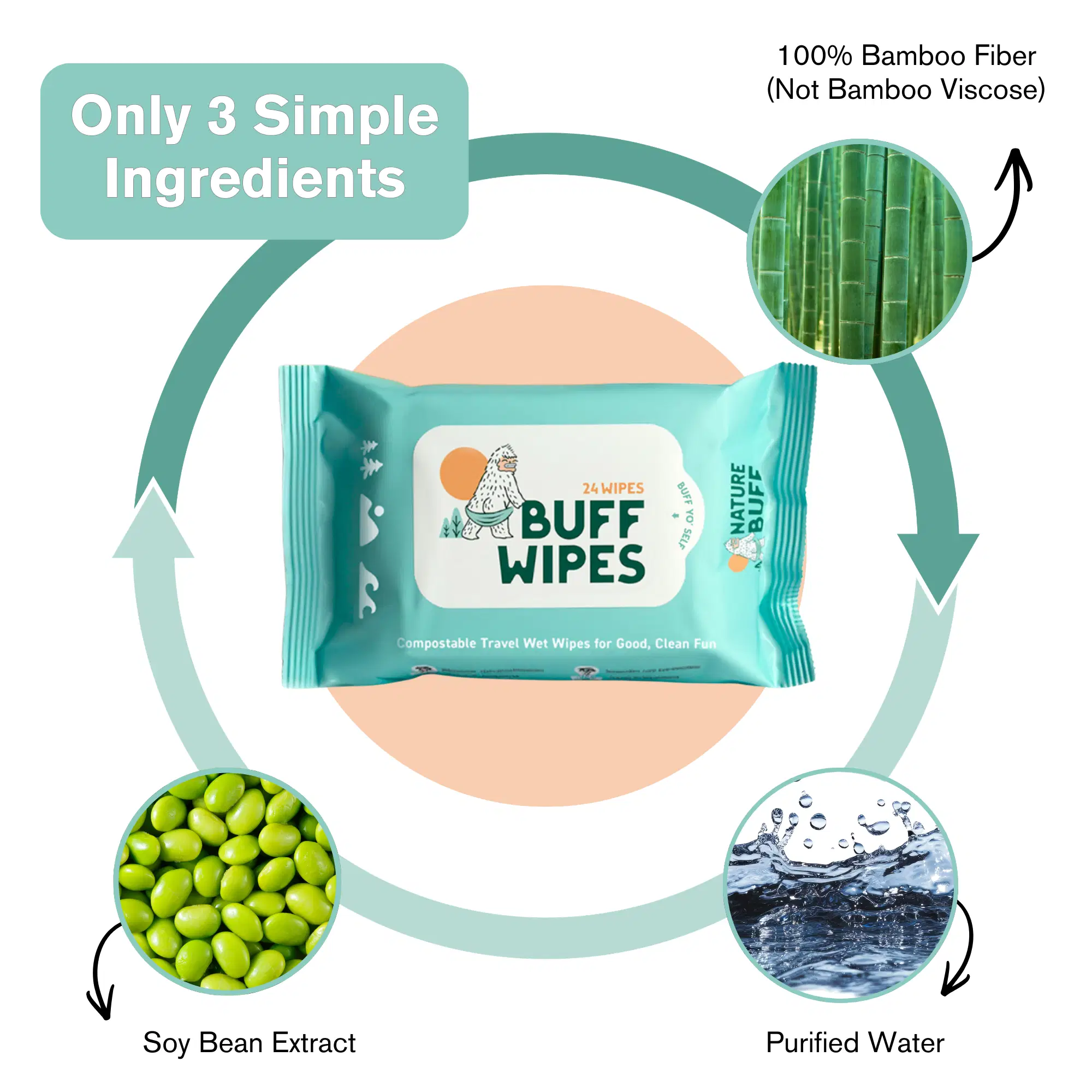
Trail Tip from Yo Yo: "If you’re in a spot where water is scarce, like a desert canyon or a crowded festival, don't waste your drinking water on a full scrub. A quick wipe-down with a compostable wipe is often all you need to reset your 'hygiene clock' until you reach a proper spot to wash."
Frequently Asked Questions (FAQ) for Outdoor Enthusiasts
What is the best soap for camping and backpacking?
The best soap is a concentrated, unscented, biodegradable bar or liquid that is free from synthetic surfactants (like SLS), phosphates, and artificial fragrances. Always look for "readily biodegradable" on the label.
Is Dawn dish soap biodegradable?
While Dawn is effective at removing grease, it is a synthetic detergent, not a natural soap. It contains chemicals that are not designed to break down in a wilderness environment. It is better to use a dedicated biodegradable camp soap for outdoor gear.
How do you stay clean while hiking without a shower?
For long trips, use a "bird bath" method: 200 feet away from water, use a small basin and biodegradable soap to wash key areas (pits, bits, and feet). Between washes, use body wipes for hiking to maintain freshness.
Can I use biodegradable soap in a storm drain?
No. Most storm drains lead directly to local waterways without being treated at a water reclamation facility. Treat storm drains like you would a mountain stream, keep the soap out.
Is natural soap better for sensitive skin?
Yes. Regular soaps often have harsh detergents and synthetic perfumes that can cause irritation, especially when your skin is already stressed by sun, wind, and sweat. Natural bars use oils that nourish the skin barrier.
Choosing a Cleaner Path Forward
Making the switch from regular soap to sustainable toiletries isn't just about following a rulebook; it’s about respect. We go to the wild to experience something pure. If we bring the chemicals of the city into the heart of the forest, we slowly lose the very thing we went there to find.
Whether you are prepping for a summer road trip or gearing up for a solo thru-hike, remember that your choices matter. Choose products that align with the "Wild at Heart" lifestyle. Opt for unscented, plant-based, and highly portable solutions that keep you feeling fresh without leaving a mark on the land.
It’s easy to do it right. Grab a bar, walk 200 feet, and keep the wild, wild.
Happy travels, and keep it clean out there.
( Yo Yo)
Related from Nature Buff: best biodegradable soap for camping
No water? Different tool. Soap needs a rinse — when there isn't one, bamboo camping wipes do the job without leaving a trace. Compare them in the full camping wipes guide, or shop Buff Wipes.